
Executive advisory

When the downside is real, the decision cadence matters.

Leadership teams usually know the issues. The failure point is that product, security, hosting, compliance, diligence, and market-entry decisions are moving at different speeds with no single view of what matters now, what can wait, and what downside is being accepted. This work exists to make the next decision better before it closes options.

Executive advisory

What this work is for

This work is for the moments when the company cannot afford product, security, hosting, diligence, and control decisions to drift apart.

When the company is entering defense, these decisions usually connect back to the startup page, CMMC, or FedRAMP, depending on where the pressure is landing first.

When this track earns its keep

  • Decisions that change contract, diligence, or control exposure
  • Situations where several leaders own pieces of the issue but nobody owns the full call
  • Teams that need one clear view of what matters now, what can wait, and what has to change
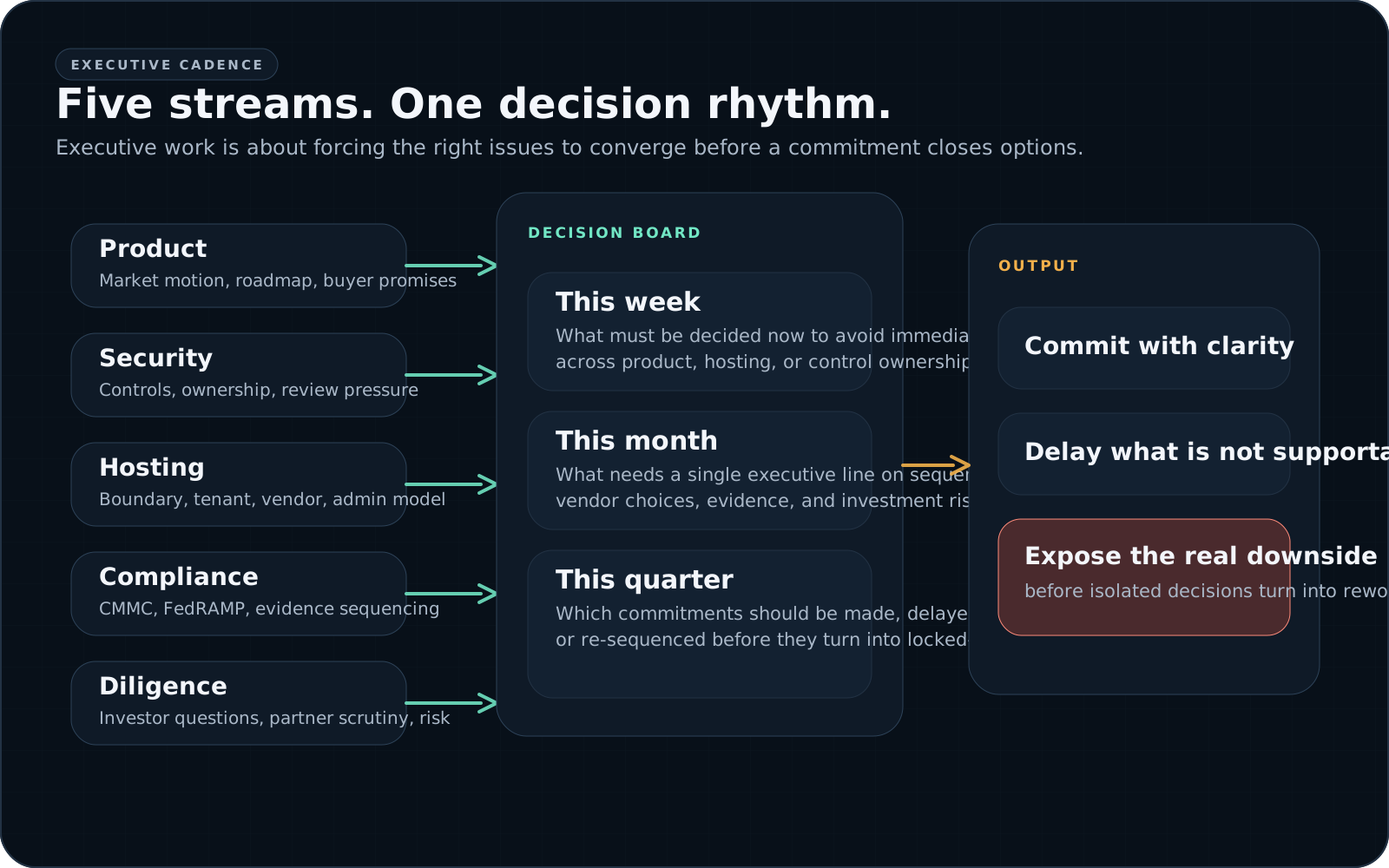
Executive decision cadence showing product, security, hosting, compliance, and diligence streams converging

What leadership teams are trying to avoid

  • Rework caused by isolated decisions
  • Weak buyer or investor confidence
  • Compliance work detached from executive ownership
  • Architecture or vendor commitments that quietly close options

Decision support

What leadership should have after the review

Executive advisory should leave the team with a decision brief, a better sequence, and a clearer view of where the real downside sits.

If the issue needs more public grounding, review the firm background. If the issue is already clear and the next call matters, move straight to the fit call.

What leadership should have after the review

  • A decision brief on the issue with the most downside this quarter
  • A clearer order for product, security, hosting, compliance, and evidence work
  • A plain statement of what the company can defend now and what it cannot
  • A sharper basis for an executive call, not more slideware

The point is not to add another generic compliance voice. The point is to bring principal-level judgment shaped by public Army, Department of Defense, and Microsoft experience into decisions that carry real downside if they are wrong.

This is useful when the decision is real, the downside is real, and the team needs a clearer basis for a leadership call instead of more slideware.

Next step

Get clearer on the next decision before it closes options

If the issue is already sharp, book the call. If it needs more context, use the form.