FedRAMP advisory

FedRAMP gets expensive when the boundary story is wrong.

Most FedRAMP pain starts before the control spreadsheet. It starts with architecture, hosting, inheritance assumptions, identity design, vendor reliance, and weak evidence planning. The goal is to make those decisions defensible before they harden into the wrong program.

FedRAMP

The decisions that matter first

The real work starts with what sits inside the boundary, what depends on vendors, and what the company can realistically defend over time.

FedRAMP questions usually connect back to the startup page, CMMC, and executive advisory. The point is not to treat the program as a separate compliance island.

What has to be decided first

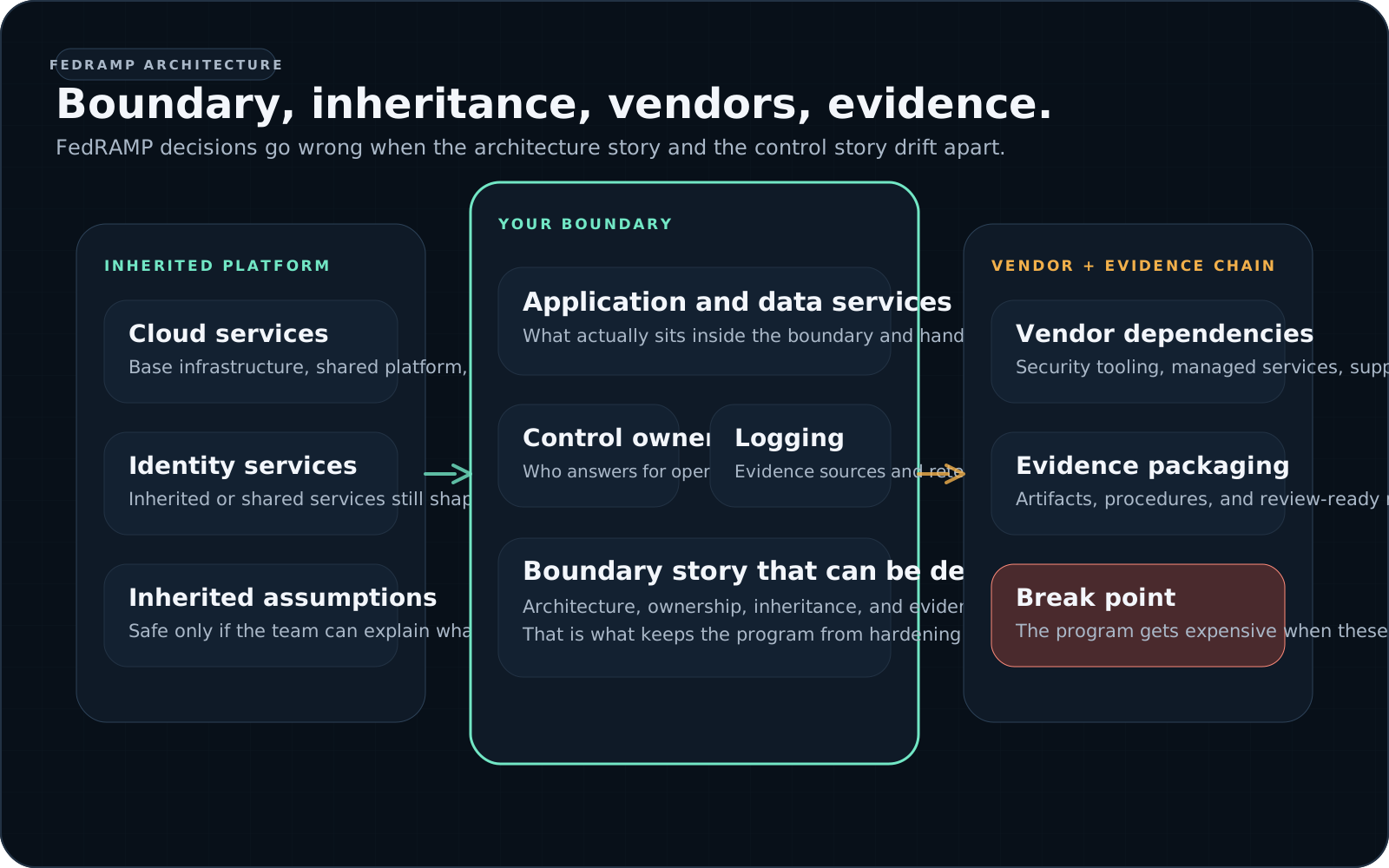
  • What is actually inside the boundary
  • What is being inherited versus merely assumed
  • Which vendors shape the trust story
  • Whether the evidence model is sustainable
  • Whether the architecture supports the story management will have to defend
FedRAMP architecture diagram showing inherited platform services, the application boundary, vendor dependencies, and evidence

What a boundary review should clarify

  • Where the current boundary is too broad, too narrow, or poorly explained
  • Which inheritance assumptions are real and which are wishful
  • Where hosting and vendor choices are creating unnecessary risk
  • What ownership and evidence model would still work six months from now

What teams should leave with

Most teams do not need another status conversation. They need a boundary and inheritance review that shows what holds up, what breaks first, and what has to change before the program gets more expensive.

The perspective here is shaped by public work across Army modernization, Department of Defense technology reform, and Microsoft federal security environments where architecture and control accountability had real consequences.

This is most useful before the program is too far into a boundary story or inheritance story that the company cannot actually support.

Next step

Get the boundary right before the program hardens

Use the fit call when the core architecture questions are already visible. Use the form when the situation needs context first.